Camera Settings' Effect on Images
When it comes to making images, there are 3 settings that, more than any other setting, affect what image you get out of your camera in a more irreversible way. These settings are aperture, shutter speed, and ISO. These three settings make up what is called the "exposure triangle."
Aperture refers to the diameter of your lens opening, it refers to how open or closed it is. Opening and closing your aperture has two effects: opening your aperture lets more light in, but it makes depth of field more shallow.


The above images show the difference between an aperture f/2.8 (first image) and a smaller aperture f/6.3 (second image)
Aperture is measured as an f/number. The number beside the f/ refers to how many times smaller than the sensor the lens is. If a lens is at f/2.8, then the lens aperture is 2.8 times smaller than the sensor itself.
A small aperture is good for getting more things into focus, so it may seem like a good idea for, if you want everything in your image to be sharp, stop down to the smallest you can, like f/22 perhaps, but know one thing: as your aperture gets smaller, a phenomenon in light known as diffraction becomes more apparent, which has the effect of softening your image. Every sensor size has a "sweet spot" for apertures which will have the deepest depth of field while having a more manageable amount of diffraction.
The second part of the exposure triangle, shutter speed, refers to how long you keep your shutter open to collect light. A slower shutter speed can bring up your exposure, but because that means it's open longer, it has the ability to introduce motion blur into your image if a subject is moving. This may be a desirable thing, however, so it's important to know when and how to use it.

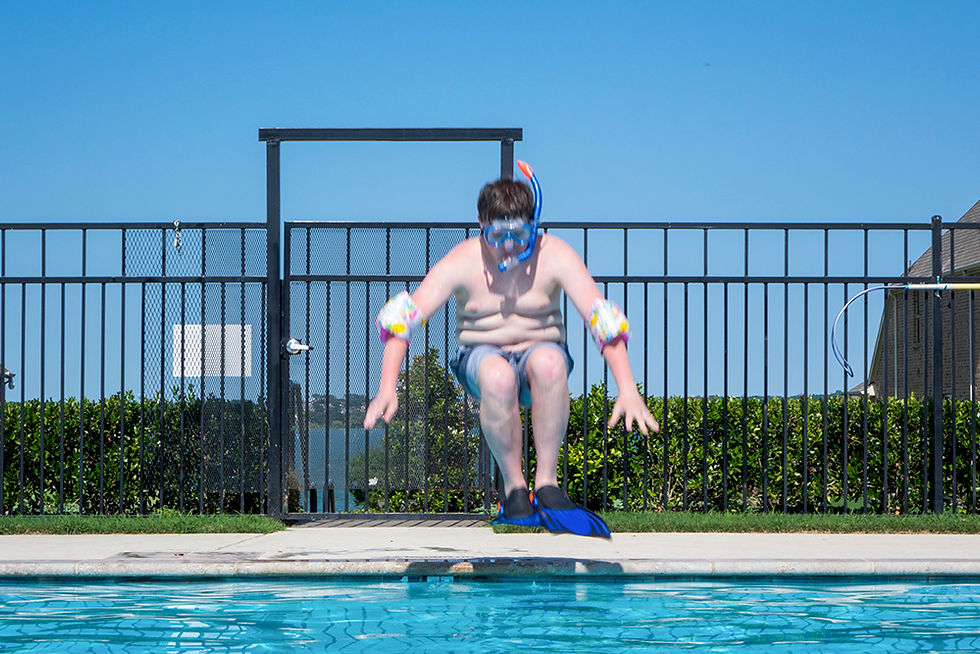
Compared to the first image, the shutter speed of the second image is much slower, which introduces a small amount of motion blur.
The third part of the exposure triangle is ISO. Simply put, ISO refers to the sensitivity of your sensor or other emulsion. It works differently in film compared to digital, where in digital a higher ISO leads to reduced dynamic range and worse color reproduction but is more versatile than film in that it can be adjusted in the camera, but both film and digital have the effect of producing higher grain or noise in an image.


This image was shot at 1600 ISO. Looking at full crop, even after editing the bad black levels that show themselves at higher ISOs, noise is still apparent.very much apparent.
In my opinion, shooting at a high ISO with grain is alright as long as the image is workable with and you can recovery many details. I for one would not mind grain in my image if it means I don't have to risk any motion blur by compensating with a slower shutter.

If I were to take this image with a different aperture, say a "larger one" (the photo here is actually taken at f/1.7 but phone sensors are so tiny that aperture hardly matters outside of macro shots), then, in addition to letting more light in, things in front of and behind Joey here would be out of focus.


Comments